

A team of five students and a faculty member visited Man-ibay, Aposkahoy, in Claveria, for an opportunity to engage with the Higaonon community. They were welcomed with a sacred ritual led by their tribal chieftain, Bai Anita Paje—an offering that involved coins, chants, and the ceremonial sacrifice of chickens.
As the tribe simultaneously chanted in their native tongue, the students quietly positioned their cameras, capturing the solemn event with careful intent. The sound of shutters paused when the chieftain invited them to participate, asking each guest to touch the blood of the sacrificed chicken.
“Nananghid na ta pinaagi sa atong ritwal,” (“We have asked permission through ritual,”) said Bai Anita. The students then proceed to ask questions.
Beyond taking pictures, a total of 20 students engaged with communities, seeking the real stories behind the images they captured. Over three days, they immersed themselves in Claveria’s culture, landscape, agriculture, and people, turning snapshots into meaningful narratives.
The photos from this immersion will be featured in “Lansad,” an annual photo exhibit organized by first-year Development Communication students at Xavier University – Ateneo de Cagayan.
What began more than a decade ago as a simple idea to put photography principles into practice has since become a tradition. Now in its 17th year, Lansad continues to document real-life stories that matter.
Lansad Origins
In a 2022 exhibit forum, XU DevCom chairperson Dr. Shiella Balbutin recalled that the photography class under the program began when film cameras first became accessible to students. Since the 1980s, there has been no fixed title for the exhibit that showcased the students’ work.
“It was still tourism-oriented,” said Dr. Balbutin, remembering how an earlier batch was even sent outside Mindanao to take photos.
In 2007, former faculty member Evans Yonson coined the term Lansad as the new name for the class’s culminating photography exhibit. The Visayan word translates to “to launch” or “launching,” symbolizing how students’ works were opened and presented to the public.
“We thought we were launching a new breed of photographers,” said Yonson in Lansad’s video archive, emphasizing that DevCom students weren’t just taking photos for personal or commercial use but to give voice to others through the visual medium.
Lansad became more than a practical application of photography principles—it evolved into an immersive experience rooted in community engagement.
“We really immerse them in the community,” said photography instructor Jerome Torres in the same forum. “It’s so they can see, feel, and communicate authenticity—the true story of a particular place.”
In another video archive, Marco Paculan, a student from the first Lansad batch, recalled being assigned to photograph the Misamis Oriental Provincial Jail. “It was heartbreaking,” he said, reflecting on the inmates’ lives. “I could feel their pain and regrets.”
Paculan’s photos, along with those of his classmates, were featured in the inaugural Lansad exhibition. Through a partnership with Negros Navigation, then one of the country’s top shipping companies, Lansad became the Philippines’ first-ever floating photography exhibit.

The passengers included residents of Manila, Bacolod, Iloilo, and Cagayan de Oro. During the trip, photography workshops were conducted for people from these cities, including 3,500 boy scouts who were attending the National Jamboree.
Yonson highlighted the challenges of starting a big exhibit that time. Aside from managing 60 students, they still have to print the photos, find exhibit panels, and look for sponsors that could support the event. “Unexpectedly, we were to come up with a good exhibit,” he said.
Yonson believed that the brand he had created would not endure for long. But from then on, it became an annual DevCom tradition.
Lansad Memories
Over the years, Lansad has taken on different themes. Originally, the photography class was offered to third-year DevCom students, many of whom had already been exposed to the exhibit as freshmen and sophomores through the works of their seniors.
“Every year is really impressive,” said Dr. Balbutin. “I’ve seen the previous Lansads, and you can just imagine the amount of work the students put into this.”
Each year, the class adopts and showcases a different community through strategic partnerships with local government units. In its earlier iterations, Lansad has featured communities from various parts of Mindanao, including Cagayan de Oro, Alubijid, Miarayon, and Sumilao.
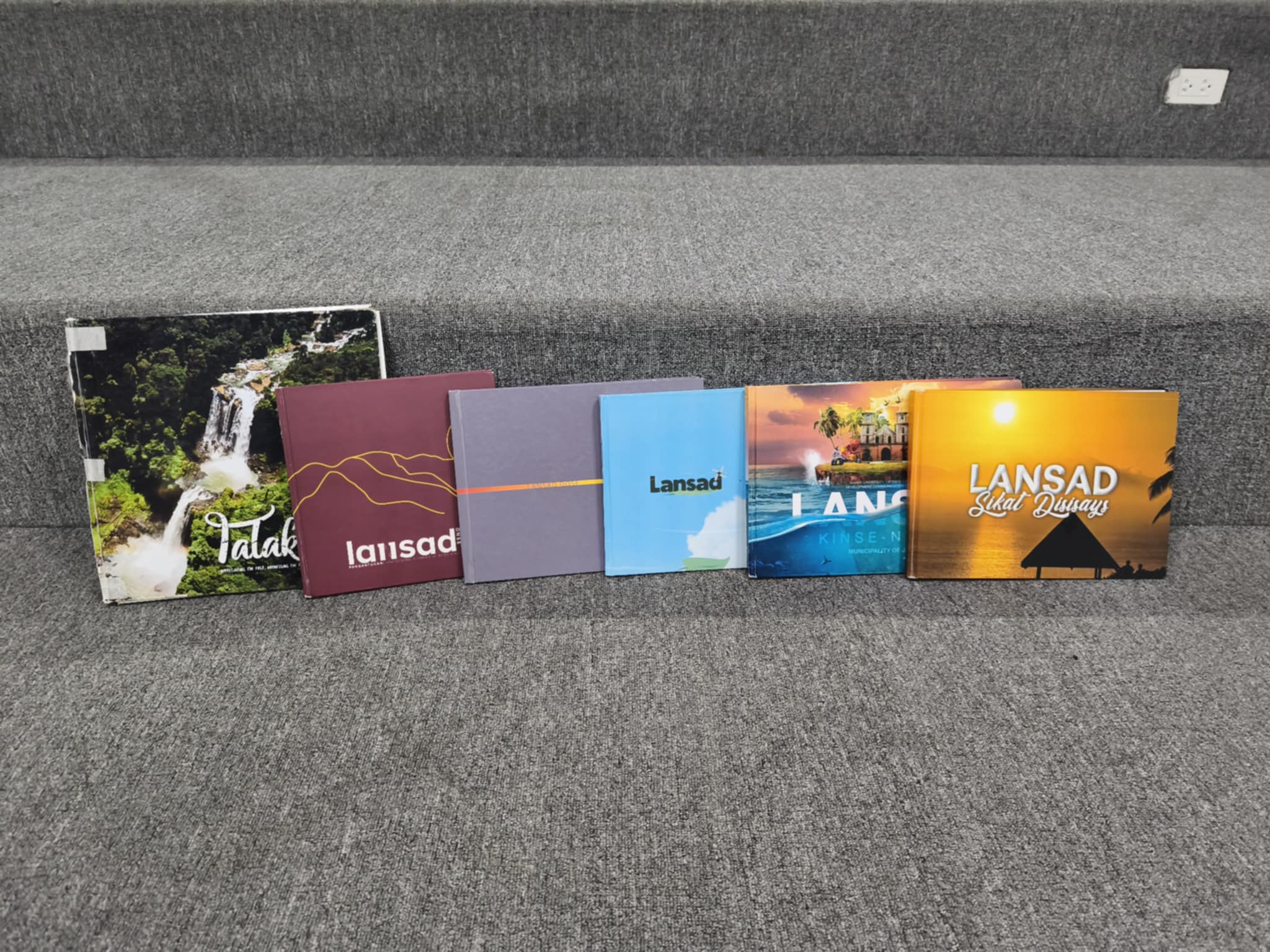
In its tenth year, XU DevCom decided to give the exhibit a grand celebration, calling it Lansad “Dekada.” The department partnered with the municipality of Talakag, Bukidnon, which was also celebrating its centennial anniversary in 2017.
“This is also a way of saying that we will be resting the photography class,” said Yonson. After a decade of tradition, Lansad was temporarily paused due to the effects brought about by the K-to-12 curriculum, which meant there would be no third-year students the following year.
But the pause didn’t last long. Lansad returned in 2019 following a major curriculum revision in the DevCom program. The photography course, originally taught in the third year, was moved to the first year.
The department saw this shift as a strategic move. “When you continue your years in DevCom, the skills in photography are further practiced in future communication materials,” explained Torres, emphasizing the foundational role of visual storytelling.
The tradition resumed with a fresh perspective in Lansad “Onse,” where first-year students immersed themselves in the community of Pangantucan, Bukidnon.
In 2020, the department set a new direction—focusing on partnering with communities within Misamis Oriental. Lansad “Dose” showcased stories from the municipality of Balingasag, but the COVID-19 pandemic disrupted plans for a physical exhibit. Instead, students presented their work through an online livestream.
Lansad “Trese” followed a similar format, with the theme “Unmasking Pandemic Stories,” featuring narratives captured from the students’ own communities.

Photo exhibits finally returned in 2022, on their 14th iteration. Although the batch wasn’t able to partner with a community due to lingering quarantine restrictions, Lansad “Cut-Tour-See” paid tribute to Xavier Ateneo’s College of Agriculture.
In the years that followed, the project returned to its original agenda of partnering with communities within Misamis Oriental. Lansad “Kinse-nyera” partnered with the municipality of Jasaan in 2023, and Lansad “Sikat Disisays” featured Magsaysay in the following year.
As the photography instructor who continues Yonson’s legacy, Torres appreciates the high levels of creativity the students have brought to Lansad every year. However, he also highlighted two recurring challenges students face.
First, he emphasized the technicalities of photography, noting that not everyone has an eye for capturing good photos. It is difficult to be in the role of teaching the craft, but he aims to train students to become “conscious of the creativity and elements of photography.”
The second is storytelling. Beyond producing beautiful images, as he explained, students must communicate stories that not only inform but also leave an impact.
“When we showcase an output, it makes us feel proud—not just because it’s a course requirement,” he said, “but because it’s an opportunity for students to truly become development communicators.”
Lansad 2025
Now in its 17th year, Lansad has partnered with the municipality of Claveria, Misamis Oriental—one of the province’s largest in terms of land area, known for its rich agricultural zones and scenic tourist spots. From April 9 to 11, 20 first-year DevCom students were sent for a three-day immersion.
Accompanied by representatives from LGU Claveria, the students captured glimpses of the town’s landscapes, agricultural practices, tourist attractions, and, most importantly, its people.
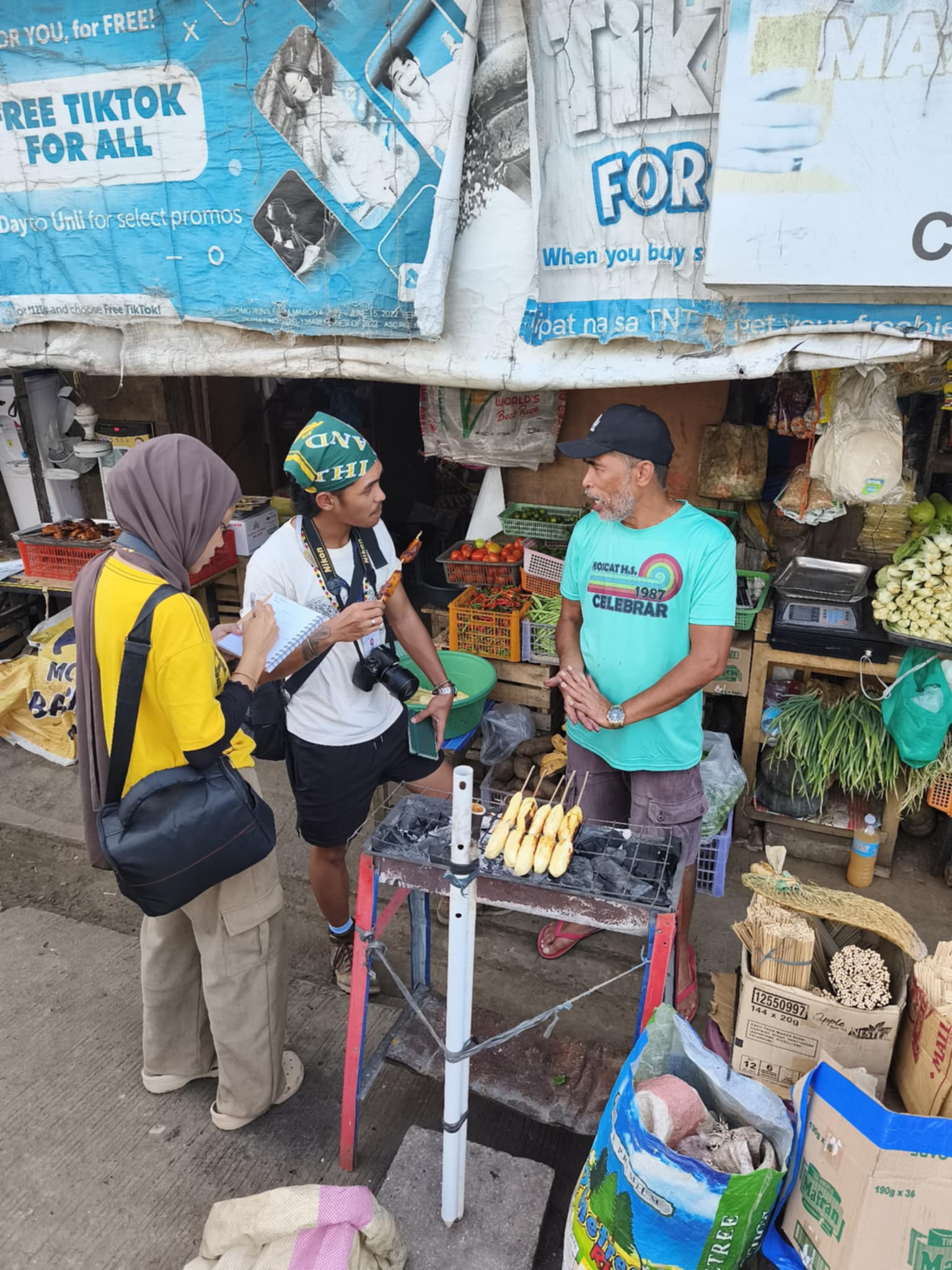
Asiya Anggi, one of the students, recalled how much she enjoyed interacting with vendors in the public market. She had the chance to speak with a wise balut vendor and a married couple who sell banana cues.
“They were fun to talk with, and they were so aware of the things happening around them,” she said.
While Asiya captured the beauty of waterfalls, resorts, and tourist attractions, it was the people who left the strongest impression.
“It hits differently when people are involved rather than just places,” she shared. “For sure, there will be a moving story to tell.”
Claveria is also home to Indigenous communities, particularly the Higaonon tribe, who play an active role in the community’s development. In Barangay Aposkahoy, the students engaged in a meaningful dialogue with Bai Anita Paje, the Limbubungan or tribal chieftain.
They grew curious about the tribe’s traditional attire—particularly the symbolism of the colors white, yellow, blue, and red found in different garments. Unlike other tribes, their community rarely wears red, as it represents gravity and seriousness.
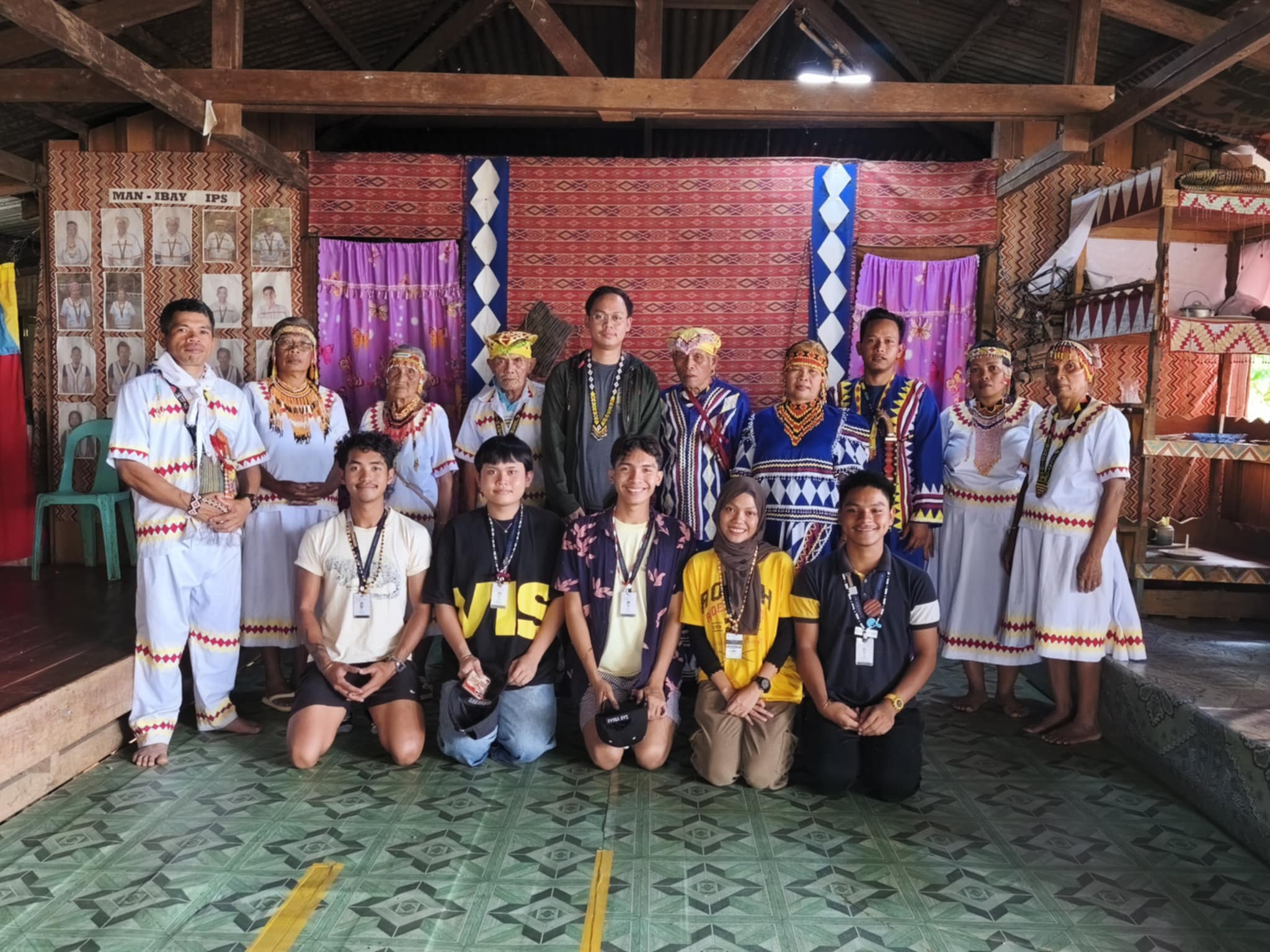
Asiya noticed that many of the elder community members didn’t join the conversation. She later learned from the chieftain’s daughter that many of them spoke only the Higaonon language. Those who welcomed the guests were the ones who could speak Bisaya and Tagalog.
“I was amazed because I realized that they were really able to preserve their native language,” Asiya said.
Before their departure, the tribe performed a closing ritual to honor and protect the guests. Each of them was gifted with a Galang (brass bangle) and Salay (necklace)—sacred symbols of protection and acceptance.
“I felt even more welcome in their tribe, knowing that whenever I wear it, they would recognize me as someone accepted by them,” Asiya added.
Over the course of three days, the students embarked on their Lansad immersion, guided by the theme they had initially developed.
Lansad Ugmad Disisyete
Even before their actual immersion, the students had already brainstormed the name for their Lansad. They eventually chose the term “Ugmad”—a Cebuano word that means “to cultivate” or “to develop.” In farming, it also refers to the act of “tilling” the soil.
The name is fitting. Claveria, known as the “food basket” of Misamis Oriental, boasts a strong agricultural output—particularly in fruits, vegetables, and especially corn. The municipality continues to develop while preserving its natural environment, agricultural legacy, and cultural identity, making “Ugmad” a meaningful theme that reflects both growth and rootedness.

“We are highlighting the richness and uniqueness of Claveria, presenting not just images but sharing the meaning and essence of Claveria’s people, places, and traditions,” said Lian Gallaron, the project head of this year’s Lansad.
Lian shared that the entire process of planning, taking, and processing the photos is tedious, as Lansad demands an exceptional capacity to present compelling stories. “You are pushed to achieve excellence for an excellent reason,” he added.
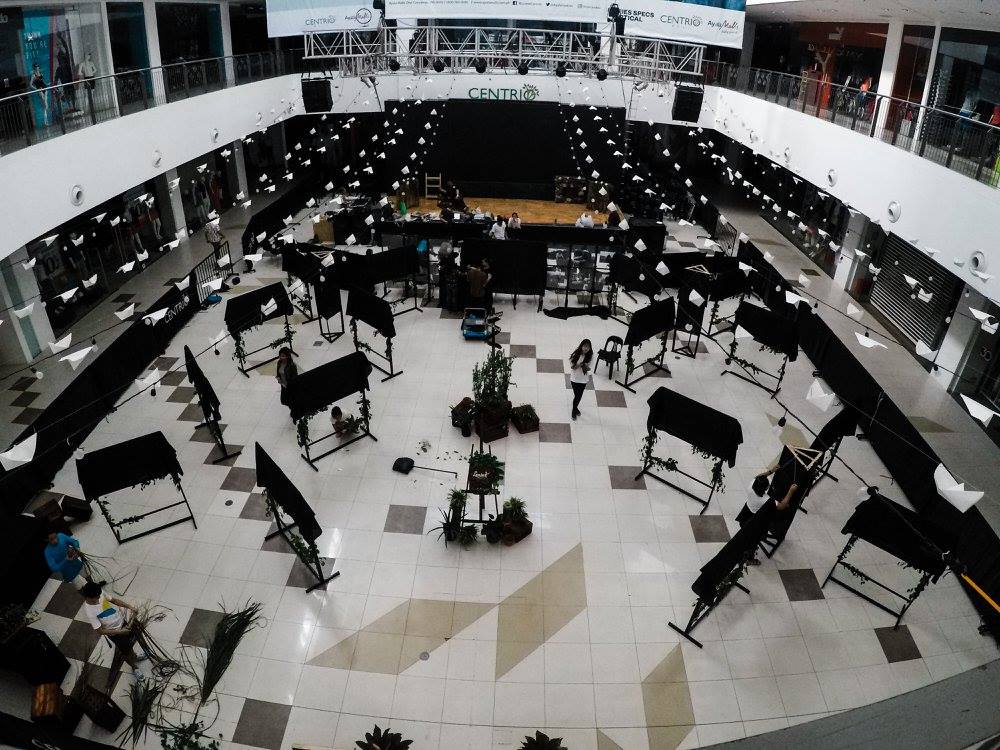
The photo exhibit is set to launch from May 19 to 21 at the Centrio Ayala Mall Activity Center in Cagayan de Oro City, where the public will be able to see their stories and photographs now that the immersion is complete and the brand has been established.
Lansad Continuing Forward
As the project head, Lian felt the weight of leading the class. Despite the pressure, he found joy in being part of a long-standing tradition.
On the logistical side, Asiya shared that the team prioritized restoring old exhibit materials—such as wooden frames and metal stands—which have been used by previous Lansad batches.
“I could really see the dedication and productivity everyone poured into this exhibit, especially our project head,” she said, grateful for the shared effort of her classmates.
Dr. Shiella Balbutin attested that organizing Lansad has never been easy. After years of witnessing batches come and go, she said that challenges are always part of the process.
“We don’t want to be limited by our resources, so I tell them to overcome it to the best of their abilities,” she said, noting that the tradition has always demanded the best from its students.
“Challenges are normal,” she added. “But the joy and pride you feel afterward outweigh all of them.”
On May 19, a new chapter of Lansad opens its doors to the public. The event will include the unveiling of the photographs and a ribbon-cutting ceremony, as is customary. Representatives from Xavier University and LGU Claveria are expected to attend, alongside guests who have long supported the tradition.
Jerome Torres emphasized that this is an opportunity for their students to be part of change in the society. “We are expressing it to the people, especially in Cagayan de Oro, that we are [a] very powerful tool. [We are] powerful instruments of change.”
Lian also reflected on what it means to take the photography course as a DevCom student. “You realize it holds immense value—not just for me, my classmates, or the department, but also for the people whose stories we captured through our lenses.”
These young changemakers have gone through more than an immersion—they’ve experienced firsthand the depth of community, culture, and connection.
Now, the students are ready to share the tales of Ugmad in Claveria.
“I’m confident this exhibit will be worth it,” Asiya said, hopeful for this year’s success. “All our work will be paid off.”


 Xavier Ateneo DevCom Department
Leave a comment